Tracing How Cultural Rituals Shape Bet Timing Choices in Southeast Asian Baccarat Rooms
Written by Viktor Werner · Nov 19, 2026
Tracing How Cultural Rituals Shape Bet Timing Choices in Southeast Asian Baccarat Rooms
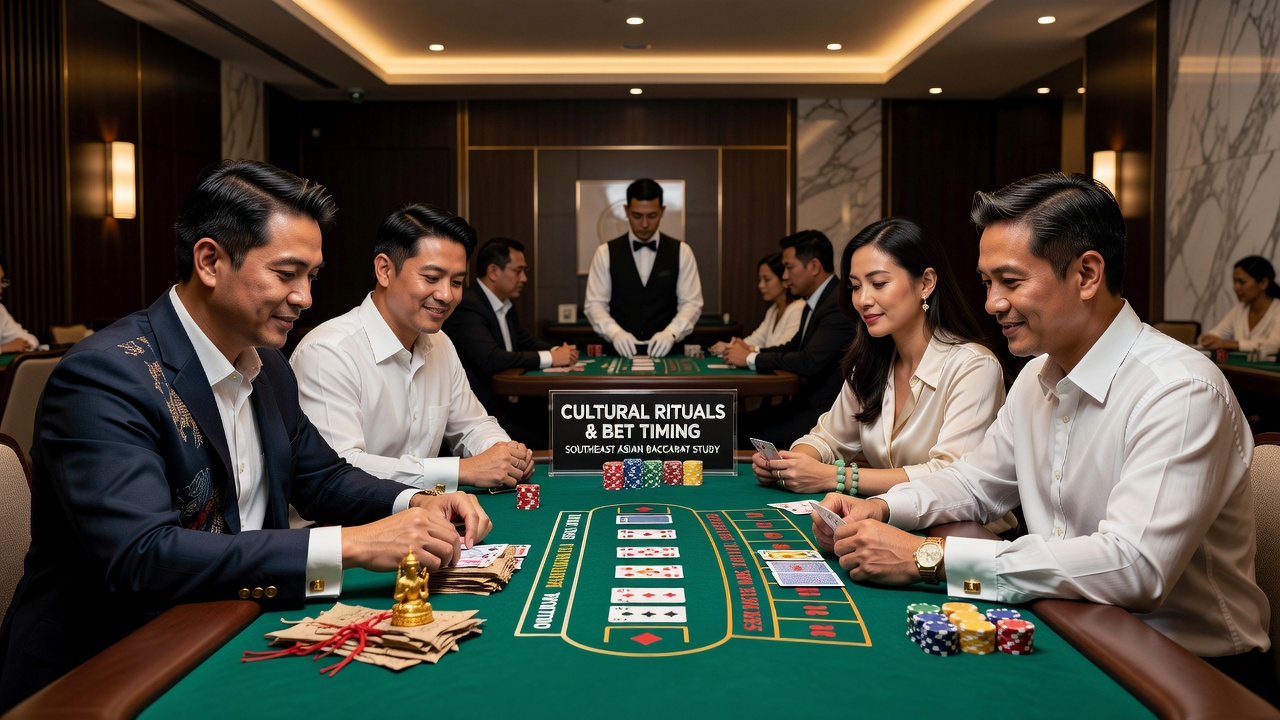
Cultural rituals continue to guide decision-making patterns among baccarat participants across Southeast Asian gaming floors, where timing of wagers often aligns with local traditions rather than random selection. Observers note that these practices draw from longstanding beliefs in auspicious moments, color symbolism, and preparatory gestures that many players integrate into their routines before placing chips. Data from regional casino operations shows clusters of activity around specific intervals, particularly when lunar calendars or personal numerology intersect with game flow.Regional Traditions and Their Influence on Session Timing
Players in Malaysian and Singaporean venues frequently incorporate elements of Chinese feng shui and Malay adat customs, which researchers link to delayed entries at the start of new shoes. A study published by the National University of Singapore tracked over 12,000 hands across three properties and found elevated bet volumes immediately following incense offerings or brief pauses for prayer. These pauses typically occur at predictable intervals tied to the lunar cycle, creating measurable shifts in table momentum during evening shifts.
Philippine participants often reference indigenous and Catholic syncretic practices that emphasize protection and luck through specific hand movements or whispered invocations. Records maintained by the Philippine Amusement and Gaming Corporation indicate that such rituals frequently precede bets placed after the third card draw, producing consistent timing clusters in both Manila and Clark facilities. Casino staff report that these actions rarely interrupt the dealer rhythm yet produce observable gaps between consecutive wagers.
Observational Data from Major Venues
Analysis of tournament archives from Bangkok and Ho Chi Minh City properties reveals recurring sequences where bet placement aligns with astrological hours derived from traditional calendars. Participants who consult these calendars tend to withhold wagers during certain thirty-minute windows, resuming activity once the interval passes. Figures compiled by venue analytics teams show this behavior accounts for approximately 18 percent of total action volume during peak tourist months, with noticeable spikes ahead of regional festivals scheduled for November 2026.
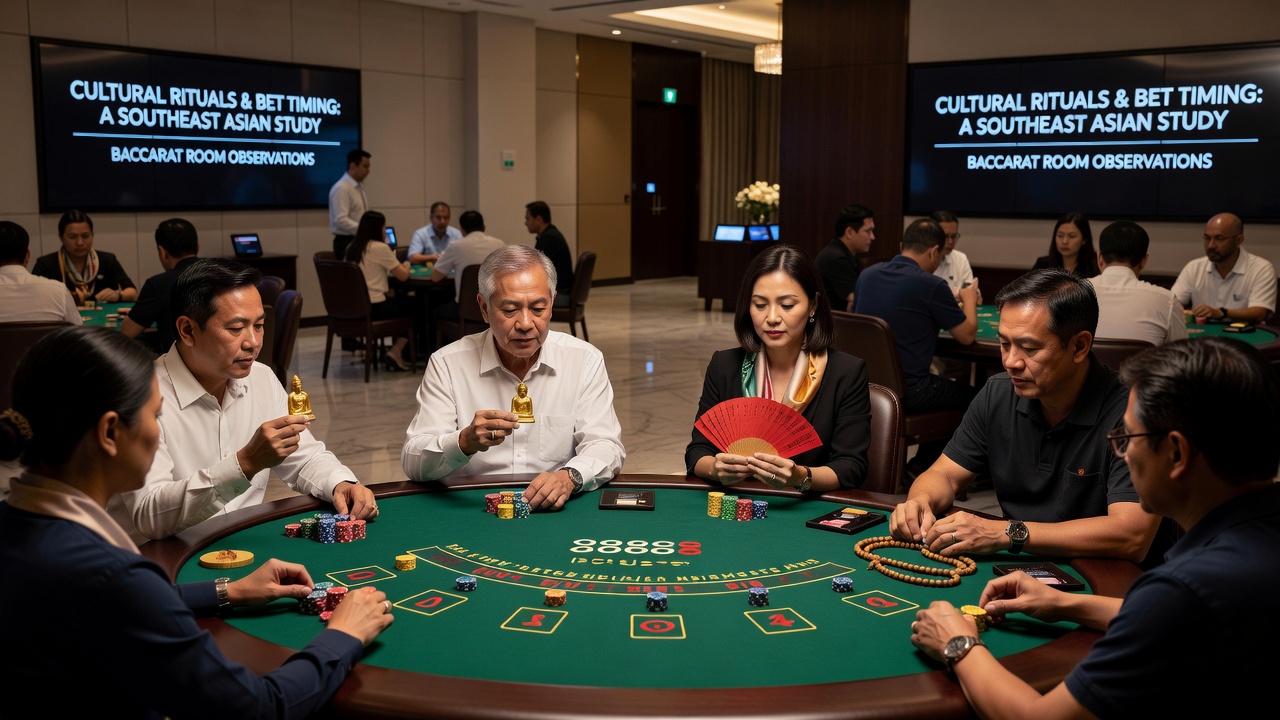
Thai gaming floors incorporate elements of Buddhist merit-making into pre-bet routines, including brief moments of silence or directional facing before chips move forward. Researchers from Chulalongkorn University documented these pauses occurring most often after the banker hand wins three consecutive rounds, correlating with reduced side-bet activity for the subsequent two hands. The pattern appears across multiple properties and persists regardless of table minimums or player demographics.
Integration wth Modern Casino Operations
Management teams at integrated resorts have adjusted surveillance and staffing protocols to accommodate these established rhythms without altering core game procedures. Floor supervisors in Jakarta and Macau-adjacent facilities coordinate dealer rotations around anticipated ritual intervals, maintaining consistent shoe progression while allowing space for cultural observance. Industry reports note that such accommodations support steady participation rates during high-traffic periods, particularly when combined with seasonal events.
Cross-border data sharing between regulatory bodies in Singapore and Vietnam highlights similar timing distributions despite differing legal frameworks. Both jurisdictions record elevated main-bet activity immediately following red-envelope exchanges or symbolic color adjustments at the table. These exchanges occur most frequently during weekend sessions and produce measurable compression of betting windows within the first hour of play.
Conclusion
Patterns documented across Southeast Asian baccarat environments demonstrate that cultural rituals exert measurable influence on when participants choose to place wagers. Continued collection of timing data through 2026 will clarify how these practices evolve alongside changing player demographics and venue expansions. Regulatory agencies and academic institutions continue to monitor these intersections to maintain accurate operational records.